Tonewoods by genre: what wood (and what strings) your style actually wants
Written with AI help · Updated
There is no single best tonewood, only conventional pairings. Metal leans on basswood, alder, or mahogany with a maple cap and hot humbuckers. Blues and classic rock lean on alder or ash with single-coils, or mahogany with a maple top. Jazz favors chambered mahogany with a maple top. The wood sets the broad voice; your strings and pickups do the rest.
Woods do not have a genre stamped on them. But over seventy years of records, certain body woods, pickups, and string gauges keep showing up together for a reason, and that is what this guide maps. Pick the broad voice with the wood, then finish the job with strings and pickups. Here is what each common wood does, which styles lean on it, and the strings that complete the build.
What each wood actually does
These are the mainstream tonal descriptions from Guitar Player's tonewood tutorial. Read them as tendencies, not laws, two guitars cut from the same board can still sound different.
Body woods, in short
- Mahogany
- Warm and balanced with good grind and bite. Full but not especially tight lows, appealing highs. The Les Paul and SG foundation.
- Alder
- Strong, clear, full-bodied with beefy mids and excellent lows. The classic Stratocaster body.
- Swamp ash
- Twangy, airy, and sweet: firm lows, a slightly scooped midrange, pleasant highs, and good sustain. The classic Telecaster voice.
- Basswood
- Fat but well-balanced, with a muscular midrange and a touch of softness. The superstrat and metal workhorse.
- Maple cap on mahogany
- Mahogany's smooth lows and sustain, plus the clarity, definition, and bite the dense maple top adds. The most popular laminated body ever.
- Fretboards
- Maple: brighter, snappier attack, firm lows. Rosewood: warmer, sweeter, thicker lows. Ebony: fast attack, controlled bass, sizzling highs, wears very well.
Wood and strings by genre
The pairings below combine Guitar Messenger's wood-plus-pickup-by-genre breakdown with the string gauges those styles actually run. The strings column is where you finish the build.
| Body wood + pickups | Character | Typical strings | |
|---|---|---|---|
| Metal / metalcore / djent | Basswood, alder, or mahogany + maple cap; medium/high-output humbuckers | Tight, muscular, high-gain-friendly | .010–.046 in standard, heavier for drop tunings (.011–.056, .012–.056) |
| Hard rock / classic rock | Mahogany (+ maple top) or alder; humbuckers or single-coils | Warm, resonant, punchy | .010–.046 (Regular Slinky) or .011–.048 (Power Slinky) |
| Blues | Alder or ash + single-coils, or mahogany/maple + P-90 | Vocal, dynamic, singing highs | .010–.046, or .011–.048 and up for a fatter, SRV-style push |
| Jazz / archtop | Chambered or hollow mahogany + maple top; lower-output humbuckers or P-90s | Warm, rounded, low-noise | Flatwounds, heavier: .012–.052 and up |
| Country / twang | Swamp ash + maple Telecaster; single-coils | Bright, snappy, articulate | .010–.046, or a hybrid light-top/heavy-bottom for chicken pickin' |
Match the strings to the build. A few starting points CYS carries:
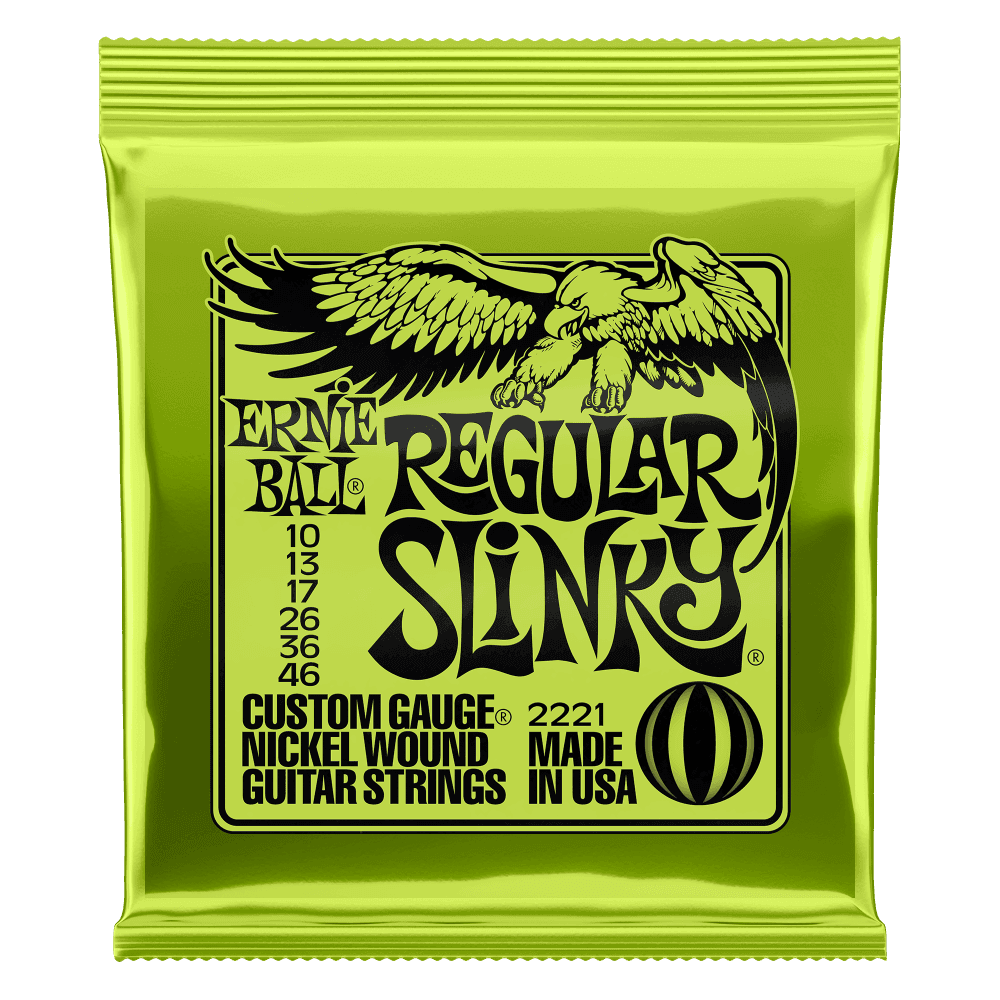
Regular Slinky (.010–.046)
Why this one: The default for rock, blues, and classic rock in standard tuning on almost any wood. Start here, then adjust.
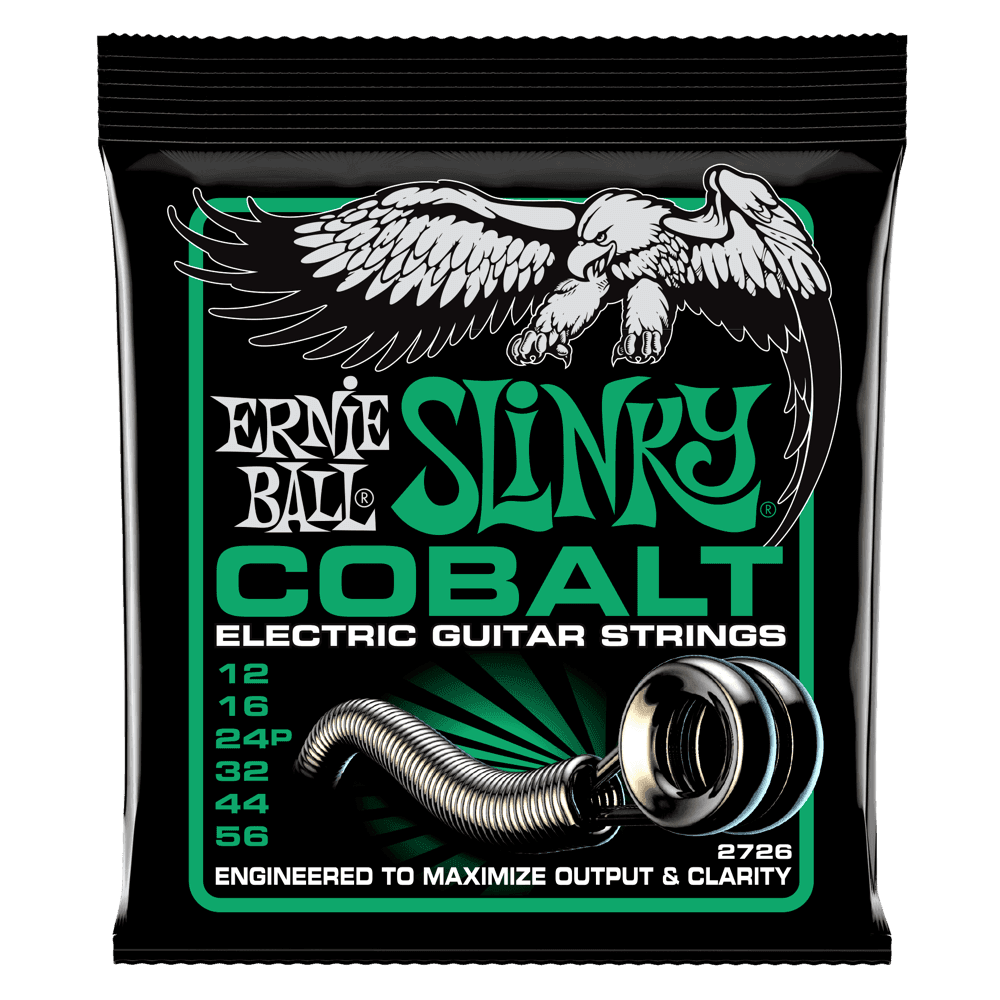
Not Even Slinky Cobalt (.012–.056)
Why this one: Heavy Cobalt set for basswood and mahogany metal builds in drop tunings, where a standard .010 turns to spaghetti.
The honest part: how much does the wood matter?
Mainstream lutherie writing treats body and neck wood as a real, audible tonal variable. Plenty of players argue that on a solidbody the pickups, strings, and hardware do most of the talking, and that the wood mostly affects weight, resonance, and feel. Both camps have a point, and the debate is real.
The practical takeaway is the same either way: pick your wood for the broad voice, the weight, and how it feels against you, then spend your tone budget where it moves the needle most reliably and most cheaply, on your strings and pickups. A set of the right gauge in the right tuning changes your recorded sound more than a body-wood swap ever will, and it costs a fraction as much.
For the exact gauge to run at your scale length and tuning, the string gauge and scale length reference does the tension math. For the numbers themselves, the guitar string gauge chart lists every size in inches and millimeters.
Next steps
Build the rest of the picture: see how producers prep a guitar and its strings before it hits tape in producers on strings for recording, match a gauge to your tuning with the gauge and scale length reference, and browse the full strings catalog by brand and gauge.
Frequently asked questions
Does the wood really change a solidbody guitar's tone?
Mainstream lutherie sources treat body and neck wood as an audible contributor to tone and sustain, and note that two guitars from the 'same' wood can still sound different. How much a solidbody's wood matters versus its pickups, strings, and hardware is genuinely debated among players. Treat wood as the broad voice and your strings and pickups as the fine tuning.
What body wood is best for metal?
Conventionally basswood, mahogany (often with a maple cap), or alder, paired with medium to high-output humbuckers. Basswood is the classic superstrat wood (think Ibanez RG). Mahogany with a maple cap gives warm lows with added clarity and bite. Then you go heavy on strings to hold low tunings.
What wood suits blues and classic rock?
Two classic paths: alder or ash with single-coils for the Strat and Tele voice, or mahogany (often with a maple top) with lower-output humbuckers or P-90s for the Les Paul voice. Both are documented, mainstream pairings, not tone myths.
What about jazz?
Archtop and semi-hollow jazz guitars conventionally use a chambered or hollow mahogany body with a maple top and lower-output humbuckers or P-90s, then flatwound strings in a heavier gauge for that warm, rounded, low-noise voice.
Maple, rosewood, or ebony fretboard, does it matter for tone?
Fretboard wood makes a smaller but real difference in attack and brightness. Maple reads brighter and snappier with firm lows. Rosewood is warmer and sweeter with thicker lows. Ebony gives a fast attack with controlled bass and sizzling highs, and it wears very well.
If wood is debated, where should I spend first?
Strings and pickups change your recorded and live tone more reliably and far more cheaply than swapping a body wood. Start there. Pick the wood for feel, weight, looks, and the broad voice you want, then dial the rest in with the right gauge and pickups.