Best guitar strings for Singer-songwriter in E Standard
Ranked by gauge fit for the tuning, then documented player use. Method below.
For Singer-songwriter in E Standard, the ranked pick is Ernie Ball Silver Slinky John Mayer Signature (.0105–.047) (.0105 – .047). It earns the top spot because its .047 low string suits E Standard and it is tagged for Singer-songwriter in E Standard. Below: the full ranking, what real Singer-songwriter players in E Standard are using, and why.
Ranked picks
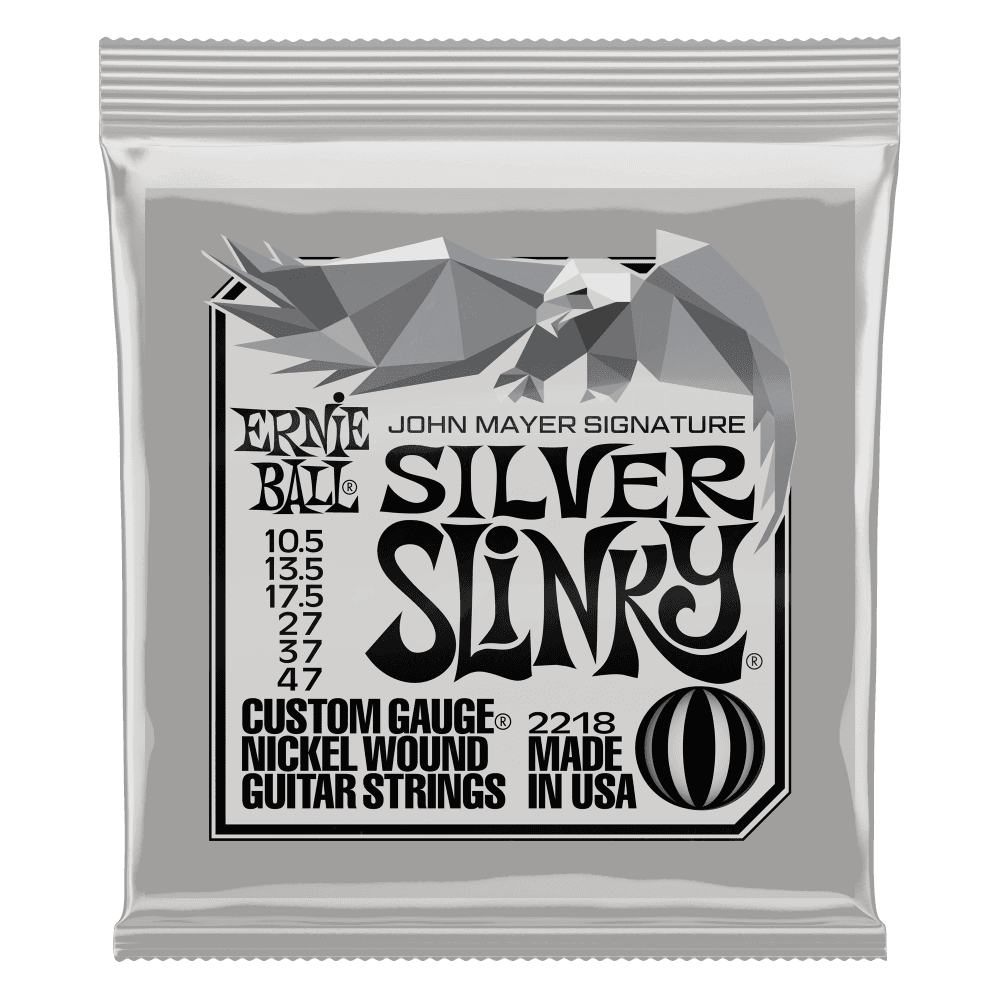
Silver Slinky John Mayer Signature (.0105–.047)
Why this one: Its .047 low string suits E Standard; it is tagged for Singer-songwriter in E Standard

EJ16 Phosphor Bronze Light (.012–.053)
Why this one: Its .053 low string is a bit heavy for E Standard; it is tagged for Singer-songwriter in E Standard

Aluminum Bronze 2566 Medium Light (.012–.054)
Why this one: Its .054 low string is a bit heavy for E Standard; it is tagged for Singer-songwriter in E Standard
Singer-songwriter players in E Standard
Why these ranks the way they do
We weight four signals: (1) gauge fit for the tuning's tension floor, which counts most, (2) direct genre + tuning tagging on the string set, (3) documented artist use in the same genre + tuning, and (4) producer recommendations. Evidence is shown on each card above.
Still exploring?
- Browse every tuning this genre lives in: /genres/singer-songwriter
- Browse every genre that uses this tuning: /tunings/e-standard
Frequently asked questions
What gauge strings for Singer-songwriter in E Standard?
The top-ranked set for Singer-songwriter in E Standard is Ernie Ball Silver Slinky John Mayer Signature (.0105–.047), in the gauge range .0105 – .047.
Which artists play Singer-songwriter in E Standard?
Documented Singer-songwriter players in E Standard include John Mayer.
Can I use standard-tuning strings in E Standard?
You can, but tension drops as you tune down. For E Standard, a heavier set keeps feel and intonation right. See the ranked picks above.
Do coated strings matter for Singer-songwriter?
For gigging and studio work, coated strings last 2–3x longer, which matters whether you play Singer-songwriter or anything else. For pure tone chasing, uncoated is traditional.
How often should I change strings playing Singer-songwriter?
Daily players: every 2–3 weeks. Weekly players: monthly. Tracking in a studio: fresh per session. This is genre-agnostic, Singer-songwriter doesn't change the answer.