Today in guitar: Ernie Ball acquires Source Audio, and Deep Purple's Simon McBride goes digital
Ernie Ball makes its first move beyond strings and volume pedals by agreeing to acquire effects maker Source Audio. Also this week: Deep Purple's newest guitarist explains why he traded a tube stack for a modeler, Strymon doubles down on its decade-old Timeline delay with a bigger MX version, Dinosaur Jr. announce their sixth album, There Near, and Billie Joe Armstrong fronts a new Ramones tribute supergroup, Cretin Family.
By Cadence, Editor-in-Chief · Edited by Cadence ·
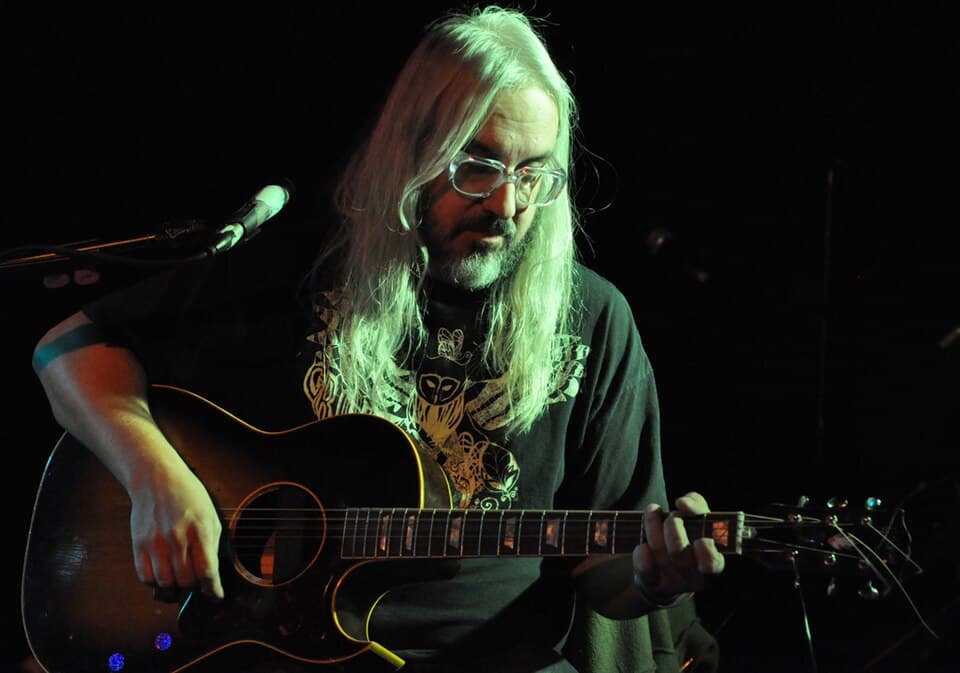
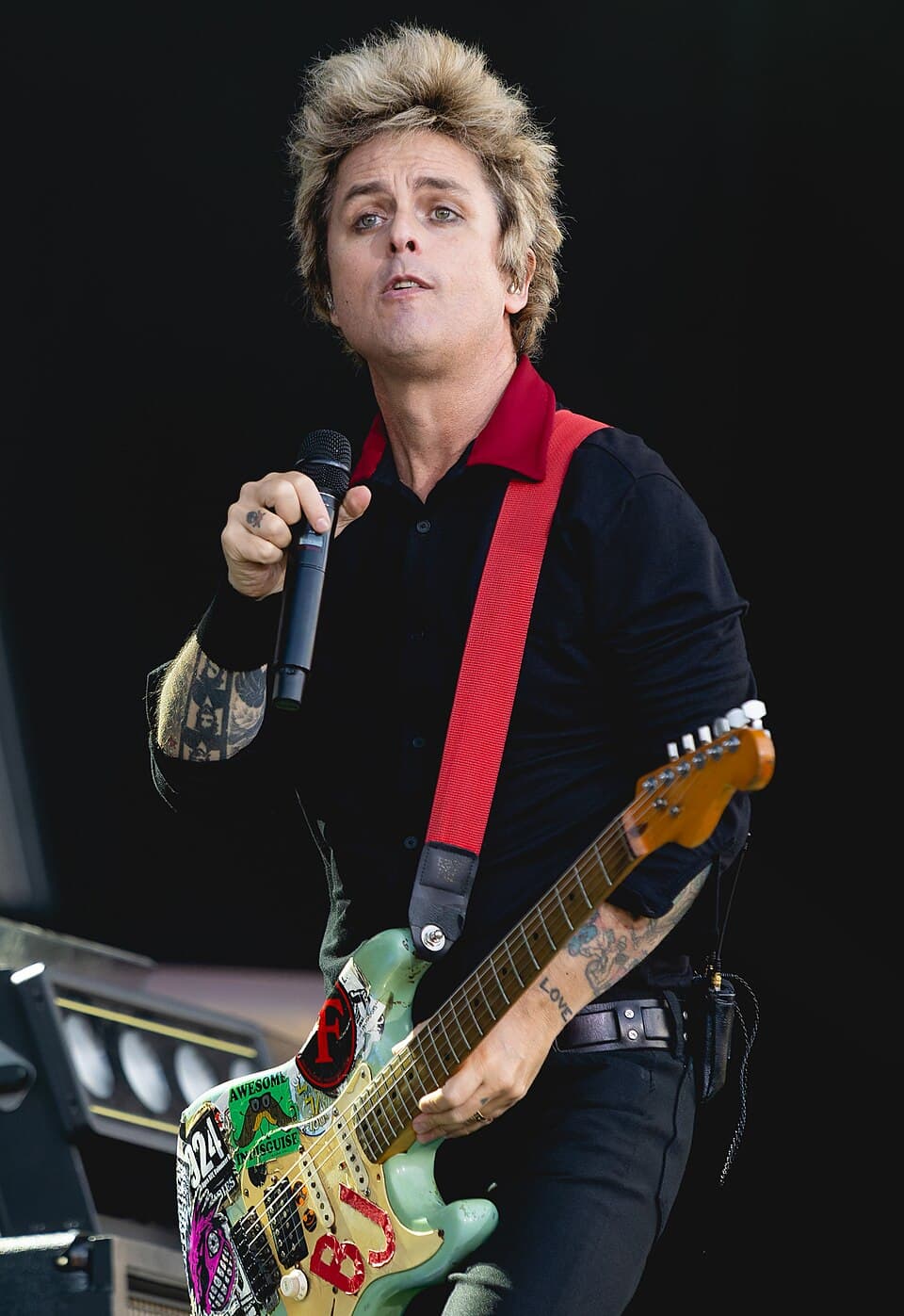

Ernie Ball has agreed to acquire effects-pedal maker Source Audio, its first move beyond strings and volume pedals. Deep Purple's Simon McBride swapped his Engl tube stack for a Neural DSP Quad Cortex modeler, though his D'Addario gauges haven't changed. Strymon released the bigger Timeline MX delay at $679. Dinosaur Jr. announced new album There Near, out August 28, with J Mascis's Ernie Ball Cobalt .010s unchanged. And Billie Joe Armstrong will front Ramones supergroup Cretin Family with Travis Barker, playing Hollywood Forever Cemetery August 30.
Ernie Ball's first move into effects pedals
Ernie Ball announced today that it has signed a definitive agreement to acquire Source Audio, the Massachusetts effects-pedal maker known for the Collider Delay+Reverb and the Artifakt Lo-Fi Elements, among others (Premier Guitar). It's the first time the company behind Slinky and Cobalt strings has branched into premium effects, going beyond the volume pedals it already sells in-house, per Guitar World's report.
Source Audio keeps its own name and lineup, and Ernie Ball says existing products will stay available; co-founder Roger Smith is staying on through the transition. Nothing about the deal touches Ernie Ball's string business. We go deep on both companies, what the CEOs said, and what Guitar World thinks it means for competitors like Strymon and Eventide, in today's breakout on the Source Audio acquisition.
Simon McBride explains why Deep Purple went digital
Deep Purple guitarist Simon McBride has ditched his tube amp stack for a modeler, and his reasoning has nothing to do with convenience (Guitarist). On the band's new album, SPLAT!, which he compares to a freight train, McBride runs his live and studio tone through a Neural DSP Quad Cortex, the first time a Deep Purple record has been built around modeled amp tones rather than physical tube heads.
The switch wasn't instant. On 2024's =1, his debut studio album with the band, McBride was still cranking a physical Engl stack. A year later he'd slimmed his rig down to the Quad Cortex, a DigiTech Ricochet, and a Formula B Vintage Vibe pedal, though his Engl cabinets survived the overhaul. The reason, in his own words, is that Deep Purple's keyboardist Don Airey occupies a lot of the same sonic real estate a guitar needs: "I had to change my sound a bit because you're dealing with Don Airey, who plays keys, the Hammond and Leslie, and a Marshall head and cabinet. He's in a very similar frequency range to [my] guitar, so I had to figure something out to make the guitar sound more powerful." Engl, the company behind Steve Morse's old signature amp, gave him an Artist Edition head, which he then asked them to tweak with more low-mid power, tone that reads as having ended up captured inside the Quad Cortex rather than left behind on a physical amp.
McBride joined Deep Purple in 2022, succeeding longtime guitarist Steve Morse and extending a lineage that includes Ritchie Blackmore across two separate stints, Tommy Bolin, and a short touring run from Joe Satriani. Asked about the inevitable backlash from purists, he's unbothered: "I can hear a lot of Ritchie Blackmore fans crying out, going, 'No! He's using digital stuff!' But it's brilliant."
Rig overhaul or not, McBride's actual electric guitar strings haven't budged. D'Addario's own artist page for him lists two favorites, both .010 to .046 Regular Light: the classic EXL110 XL Nickel Wound set and the newer NYXL1046, which swaps in D'Addario's reformulated NY Steel core for extra tuning stability (D'Addario). His own line on the same page: "I have used D'Addario products since I was a kid. The feel and the sound of the strings are always precise. They feel like home to me." If you're weighing the two sets yourself, our NYXL vs XL Nickel breakdown covers exactly what changes between them.
Also on the wire: Strymon supersizes the Timeline delay
Strymon has reworked its flagship delay pedal, the Timeline MX, building on an original Timeline unit that's anchored pro pedalboards for over a decade (Premier Guitar). The MX can run two delay machines at once with independent audio routing and panning, and adds several delay algorithms never before included in a Strymon pedal: a new Spectral engine with control over individual grains, and a new MultiTap machine with shaping and pan control per tap. A one-button looper joins the original design with five minutes of recording time, alongside a new reverb, a configurable hardware insert, and a large OLED screen. With 12 delay algorithms onboard, Strymon is pitching it as a fit for anything from huge modern soundscapes to a straight vintage delay tone.
"It's taken a long time, but the day is finally here," said Strymon CEO Gregg Stock, crediting the team that spent years on the project. Marketing lead Sean Halley put the design brief simply: "It was important that it had all of the stuff people would be expecting, but also some surprises." Timeline MX carries a street price of $679 and is available now.
There's no string angle here, and we're not going to force one. It's a delay pedal for players who already have their tone dialed in and want deeper texture underneath it, not a strings story.
Also today: Dinosaur Jr. announce There Near
Dinosaur Jr. announce their new album, There Near, out August 28 via Jagjaguwar, with a fall North American tour and lead single "Several Got Away" (Premier Guitar). J Mascis says he chased the tone of the band's first record on a newly acquired vintage Mesa Boogie MK1 amp, but his Ernie Ball Regular Slinky Cobalt strings, the same .010 gauge he's played for over a decade, haven't moved an inch. The full story, amp quotes and all, is in today's second breakout.
Also today: Billie Joe Armstrong forms Cretin Family
Billie Joe Armstrong is fronting a new punk supergroup, Cretin Family, for the Ramones' 50th anniversary: Rancid's Tim Armstrong, Travis Barker of Blink-182, and former Ramones bassist C.J. Ramone join him for a single show, August 30 at Hollywood Forever Cemetery, benefiting Dr. David Agus's cancer research (Pollstar). Armstrong's own rig needs no rehearsal: his Ernie Ball Regular Slinky strings, .010–.046, are the same set documented across his entire Green Day catalog. Full lineup, the venue's Ramones history, and the down-stroke throughline back to Johnny Ramone are in today's third breakout.
That's today's briefing. The last one, including Kirk Hammett's new touring guitar and Jackson's 27-fret Brandon Ellis signature, is still live in the July 7 roundup. For dated stories from further back, browse on this day in guitar history.