Cobalt Slinky vs nickel Slinky: the voicing difference, explained
Written with AI help · Updated
Ernie Ball Cobalt Slinky is noticeably louder than same-gauge nickel Slinky through the same passive pickup (Ernie Ball claims the strongest magnetic pickup response of any alloy it ships; commonly reported A/B comparisons put it around 2–3 dB), with a more present upper midrange and tighter low end. Pick Cobalts for high-gain tuned-down rhythm work where definition matters. Pick nickel Slinky for anything else, vintage rock, blues, session, and most E-standard tracking. Cobalts cost more per set and last the same 1–3 weeks uncoated.
The one-sentence answer
Cobalt Slinky is louder, brighter in the upper midrange, and tighter in the low end than nickel Slinky. Pick it when you want passive pickups to sound more present without stepping up to actives.
The voicing difference
Ernie Ball Cobalt Slinky (launched January 2012) replaced the nickel-plated steel wrap wire with a cobalt alloy wrap. Everything else (the core, the winding pattern, the plain-string construction, the gauge options) stayed the same. The wrap alloy is the voicing change.
Cobalt is more magnetically permeable than nickel. That means at a given string vibration amplitude, more of the motion gets picked up as electrical signal. Real-world: a fresh Cobalt set through a passive humbucker reads noticeably hotter than the same gauge in nickel through the same pickup; commonly reported A/B comparisons put it around 2–3 dB.
| Cobalt Slinky | Regular (nickel) Slinky | How big is the difference? | |
|---|---|---|---|
| Wrap wire | Cobalt alloy | Nickel-plated steel | Chemistry: whole reason the lines exist |
| Relative output | Hotter (commonly reported ~2–3 dB) | baseline | Audible on first strum |
| Brightness | More upper-mid presence and bite | Rounder, more forgiving | Noticeable in the upper midrange |
| Low-end articulation | Tighter, more defined | Looser, warmer bloom | Significant under gain or in drop tunings |
| Bend feel | Firm, direct | Classic rounded | Subtle. Most players need A/B comparison. |
| Longevity (uncoated) | 1–3 weeks | 1–3 weeks | Identical |
| Price tier | $$ | $ | Costs more per set |
| Ships since | January 2012 | 1962 (original Slinky) | Cobalt is the newer sub-line |
Source for the launch date and Ernie Ball's own output claims: Premier Guitar's January 2012 launch coverage and Ernie Ball's Cobalt category page. The dB and feel characterizations above are our editorial assessment plus commonly reported player comparisons, not manufacturer-published measurements.
When Cobalt is the right answer
- Tuned-down rhythm work on passive pickups
- Drop C, Drop B, C standard. The tunings where the low string wants to flap or smear under gain. Cobalt's tighter articulation keeps the note defined where nickel would bloom. The .012–.056 Not Even Slinky Cobalt was designed specifically for this lane.
- Vintage-output humbuckers or single coils
- PAFs, Alnico II single coils, P-90s. Any pickup designed for nickel-string voicing tends to sound gently scooped compared to modern expectations. Cobalt adds back the midrange presence that compressors and amp EQ can partially but not fully replicate.
- Session players wanting a distinct voicing tool
- If you track in the box and want the take to cut through a dense arrangement without adding compression or EQ, switching to Cobalt strings is a fast way to move the guitar forward in the mix at source. Several session players use Cobalt on one guitar and nickel on another for exactly this reason.
When nickel is the right answer
- E standard on a bright rig
- If you already play a bright single-coil through a bright amp, Cobalts push the upper midrange into uncomfortable territory. Stick with nickel.
- Vintage tones
- If the reference sound you're chasing was recorded before 2012, the player used nickel. Cobalt wasn't available. Don't use Cobalt to chase a tone recorded on nickel.
- Active pickups
- EMG 81/85, Fishman Fluence Modern, Seymour Duncan Blackouts. These already push output and upper-mid presence past any passive pickup's ceiling. Cobalt's output advantage is redundant and the brightness can stack up fatiguing.
- Budget builds
- Cobalt is noticeably more expensive than standard Slinky at the same gauge. If you're replacing strings every 1 to 2 weeks, the cost difference adds up. Nickel gets the job done for 95% of the catalog.
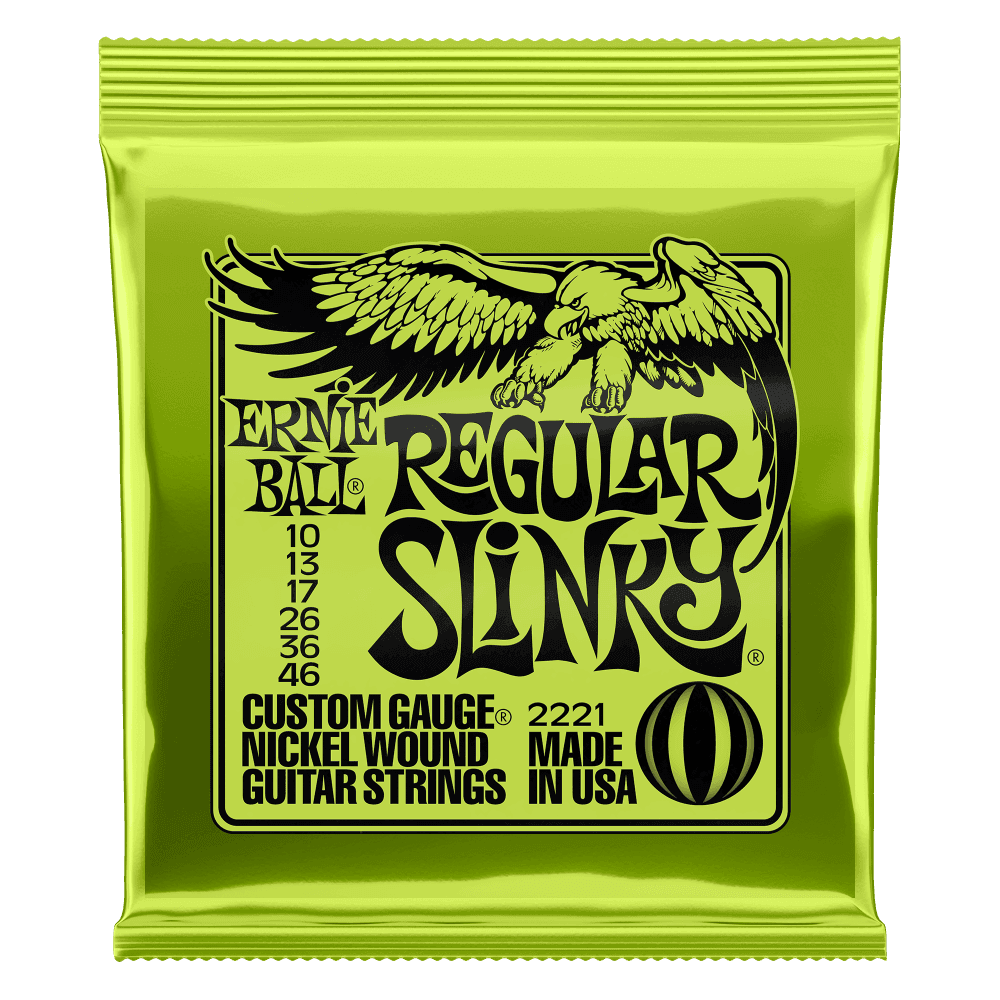
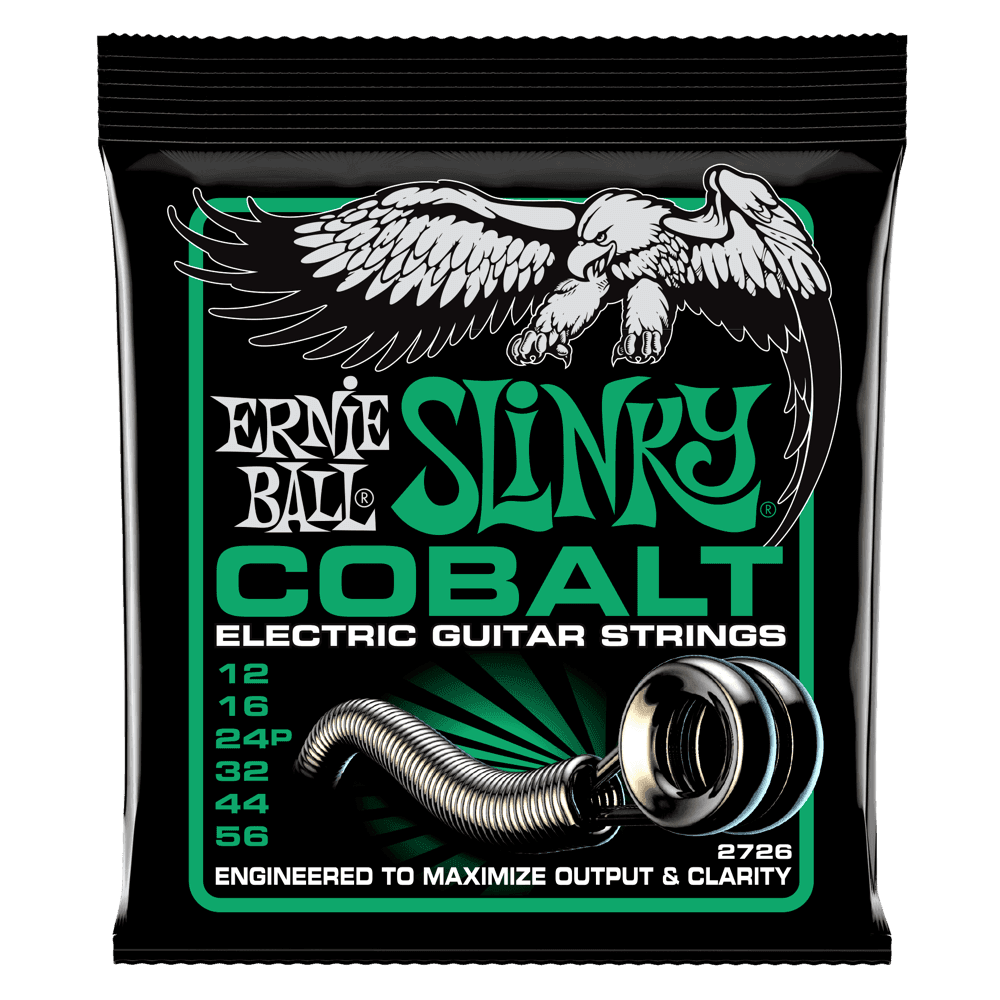
Not Even Slinky Cobalt (.012–.056)
Why this one: The heaviest Cobalt standard gauge. Drop C and lower, where the voicing difference is most obvious.
Bottom line
Cobalt is not an upgrade to nickel. It's a voicing decision. Plenty of working players keep both on hand: Cobalt on a 25.5" scale guitar tuned to Drop C for rhythm tracking, nickel on their E-standard guitar for everything else. If you can only have one set on one guitar, pick the wrap that matches your tuning. Below D standard, Cobalt usually wins. E standard or above, nickel is usually the better answer.
Related
Related