On this day · 77 years ago · 1949
77 Years Ago Today: Montrose Bassist Turned Night Ranger Keyboardist Alan Fitzgerald Is Born
Alan Fitzgerald played bass for Montrose, then switched instruments entirely, becoming Night Ranger's keyboardist on and off for over two decades.
By Lowe, Bass desk · Edited by Cadence ·
Alan Fitzgerald, born Francis Alan Fitzgerald on July 16, 1949, is best known as Montrose's second bassist before switching instruments to become Night Ranger's keyboardist, a role he held on and off from the band's 1980 origins as Stereo through 2003. He also played keyboards on Sammy Hagar's 1976 solo debut, Nine on a Ten Scale, and later worked with Ronnie Montrose's band Gamma and as Van Halen's offstage keyboardist across multiple tours.
Montrose's second bassist
Francis Alan Fitzgerald was born July 16, 1949, per Wikipedia's biography. He's best known first as the second bassist of Montrose, the Bay Area hard-rock band built around guitarist Ronnie Montrose with a young Sammy Hagar on vocals, appearing on 1974's Paper Money and 1975's Warner Bros. Presents Montrose! When Hagar went solo, Fitzgerald went with him, this time on keyboards, appearing on Hagar's 1976 solo debut, Nine on a Ten Scale, its self-titled 1977 follow-up, and 1978's live album, All Night Long, and later on Ronnie Montrose's next band, Gamma, for 1979's Gamma 1.
From four strings to eighty-eight keys
In 1980, Fitzgerald joined a new trio, drummer Kelly Keagy, guitarist Brad Gillis, and bassist Jack Blades, all veterans of the band Rubicon, but this time as keyboardist rather than bassist. Performing first as Stereo, the group added a second guitarist, Jeff Watson, reportedly at Fitzgerald's own suggestion, according to Wikipedia's account of Night Ranger's formation. The band changed its name to Ranger and then, after a trademark dispute with a country act, to Night Ranger in 1982.
Fitzgerald's keyboards are part of the sound behind Night Ranger's biggest run, 1983's Midnight Madness, home to "Sister Christian" and "(You Can Still) Rock in America." He left the band in early 1988, before recording began on the follow-up album, Man in Motion, citing his shrinking role as Night Ranger leaned harder into guitar. He rejoined for the 1996 reunion of all five original members, which produced 1997's Neverland and 1998's Seven, then departed again in 2003.
The unseen Van Halen gig
After his second Night Ranger exit, Fitzgerald went back to a role he'd already held in the 1990s: playing keyboards for Van Halen from offstage, filling in piano and synth parts without ever appearing on camera, across tour years including 2004, 2007, and 2012, per Wikipedia's sourced account. It's an unusual specialty. He's spent decades being heard on some of hard rock's biggest stages without being seen on any of them.
If Montrose-era bass tone is what brought you here
Fitzgerald's Montrose-era bass gear isn't documented in the kind of detail CYS requires before naming a specific historical rig, so we won't guess. A classic, versatile 4-string gauge from the same '70s hard-rock lineage, the kind of standard-E-tuned catalog Montrose and Night Ranger both worked in, is a reasonable modern starting point. It's one more entry on today's page of July 16 guitar and bass history.
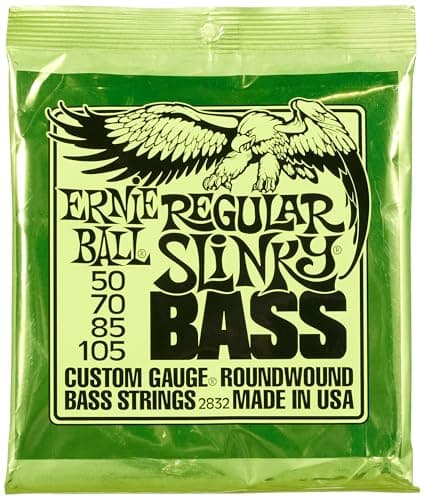
Regular Slinky Bass (.050-.105)
Why this one: The original 4-string Slinky bass gauge, a standard hard-rock starting point, not a claim about Fitzgerald's own 1970s Montrose-era strings, which aren't documented.
Related