How to build guitar calluses (and the truth about the super glue trick)
Written with AI help · Updated
Guitar calluses form from regular playing, usually in two to four weeks of daily practice. The fastest safe way to build them is short, frequent sessions, around 15 minutes two or three times a day, on lighter strings that take less finger pressure. Play through dull soreness but stop at sharp pain or a blister. The super glue trick some pros use is for repairing torn calluses in an emergency, not for building them, and it is not something beginners need.
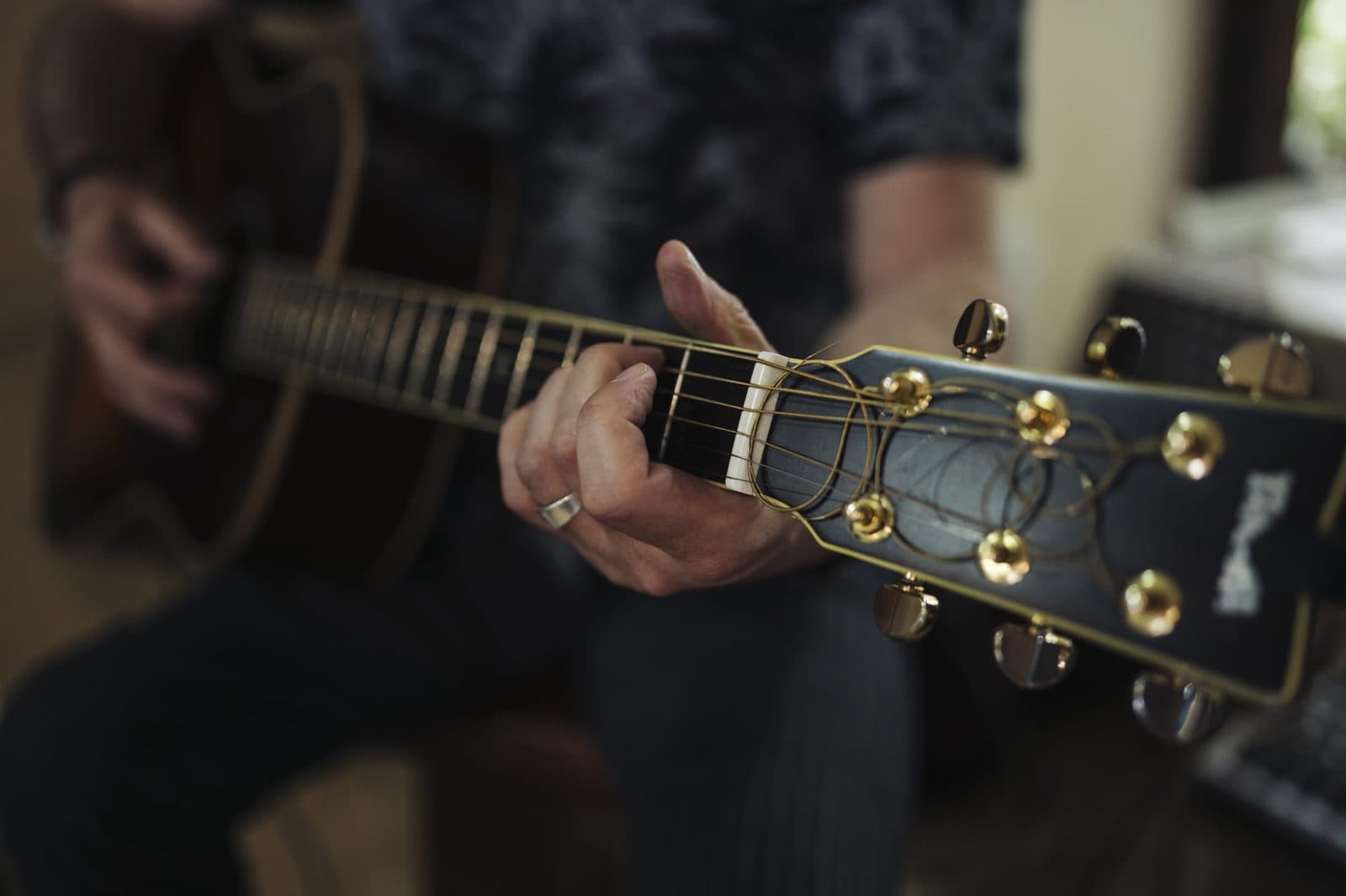
How calluses actually form
A callus is your skin adapting to the job. Per Healthline, pressing strings "wears away the top layer of skin, exposing the more sensitive and nerve-dense dermal layer underneath," and over time that tissue hardens into the tough pads that let you play without pain. That is why the first couple of weeks sting: you are wearing skin down faster than it can toughen.
The timeline is encouraging. "On average, it takes 2 to 4 weeks for calluses to fully form," though it varies with how often you play, your string gauge, and your technique. You do not have to suffer through it, either. The whole game is practicing enough to build calluses without tearing your fingertips, and that comes down to how you space your practice and what you play.
The routine that builds them fastest
More frequent beats longer. Short daily sessions give your skin repeated stimulus with time to recover between, which is exactly what builds a callus. One three-hour session a week just shreds your fingertips and sets you back.
TrueFire recommends practicing "15-20 minutes" and doing it "2-3 times per day." That cadence is the sweet spot for most beginners: enough contact to toughen the skin, short enough that you stop before damage. Consistency over those first two weeks is what pays off, and you should feel the difference well before the calluses are fully set.
The key is reading your own fingers. Dull, tender soreness is fine to work through. Sharp or stabbing pain is not, and a blister means stop for the day and let it heal. Push past those signals and you tear skin, which costs you more days than it saves.
Lighter strings and a good setup make it easier
You will build calluses faster if practicing does not hurt so much that you quit early, and the single biggest lever there is how hard you have to press. Lighter strings take less force. Ernie Ball describes light gauge strings as ideal for beginners with uncalloused hands, and TrueFire suggests starting on lighter strings while your fingers toughen up.
A lighter set like the Ernie Ball Super Slinky (.009 to .042) takes noticeably less finger pressure than a standard .010 to .046 set, which means you can practice longer before your fingertips give out. If you are not sure what gauge you are on or what to move to, our string gauge guide and the quick what gauge should I use FAQ walk you through it.
Setup matters just as much. TrueFire notes that "a professional setup can reduce the amount of pressure you need by up to 50 percent," mostly by lowering the string height so you are not fighting a high action on top of new strings. Lighter strings plus a low, clean setup is the most comfortable way to get through the callus-building weeks.
Play through soreness, but know when to stop
This is the part that protects you, so treat it as a rule, not a suggestion. Building calluses means some discomfort, but there is a clear line between healthy adaptation and injury.
Read the signals
- Dull tenderness: keep going
- A tender, warm feeling in the fingertips is normal and productive. This is the skin toughening, and it fades as calluses form.
- Sharp pain or a blister: stop
- Sharp, stabbing pain or a blister means you have done enough for now. Playing on it tears skin and costs you recovery days. Rest and come back tomorrow.
- Raw or exposed skin: rest it
- Never keep playing on skin that has worn through. Let it heal fully before your next session, or you risk infection and a longer setback.
- Persistent joint or hand pain: see a professional
- Fingertip soreness is normal; aching joints, wrists, or persistent pain is not. Healthline warns that playing through it without rest risks tendinitis and carpal tunnel, so check in with a healthcare provider if pain lingers.
What not to do
A few common mistakes actively set your calluses back. Do not pick at or bite peeling skin, and do not shave or file your calluses down; you are removing the exact protection you worked to build. Keep your fingertips dry, since soft, waterlogged skin tears easily, so avoid long soaks right before you play. And skip the folk remedies: icing your fingertips or soaking them does not speed calluses and can make skin more fragile. The only thing that reliably builds calluses is regular, sensible playing.
The super glue trick, explained
You may have heard that Stevie Ray Vaughan super-glued his fingertips, and it is true, but it is widely misunderstood. SRV played ferociously heavy strings on brutal tour schedules, and his calluses would sometimes tear off mid-run. He used super glue to stick the torn callus back down so he could finish the tour, as an emergency repair, not a way to build calluses in the first place. Our full write-up on the SRV super-glue story has the details.
For everyone else, this is not a shortcut. Cyanoacrylate, the stuff in super glue, bonds skin on contact, which makes it a genuinely risky thing to put on your fingertips, and it does nothing to toughen the skin underneath. If a callus tears, the answer is rest, not glue. Build the real thing with regular playing on comfortable strings, and you will never need the trick.
Related
Frequently asked questions
How long does it take to build guitar calluses?
On average, two to four weeks of regular daily playing, per Healthline. It varies with how often you play, your string gauge, and your technique. You will feel real improvement sooner than full calluses form: many beginners report noticeably less finger soreness after about two weeks of consistent practice. Short daily sessions get you there faster than one long session a week.
What is the fastest way to build calluses without hurting yourself?
Short, frequent sessions. Around 15 minutes, two or three times a day, beats one long marathon that tears your fingertips. Play through dull, tender soreness, but stop at sharp pain or if a blister forms, because a blister means your skin needs to recover. Lighter strings and a good setup lower the finger pressure so you can practice more before it hurts.
Do lighter strings help build calluses?
They make the process far more comfortable, which lets you practice more, which is what actually builds calluses. Ernie Ball describes light gauge strings as ideal for beginners with uncalloused hands, and a lighter set like a .009 to .042 takes noticeably less finger pressure than a heavier one. A professional setup helps too; TrueFire notes a good setup can cut the pressure you need by up to 50 percent.
Should I use super glue on my fingertips like Stevie Ray Vaughan?
No, not to build calluses. SRV super-glued torn calluses back down as an emergency repair so he could keep playing brutal tour schedules, not as a way to toughen his fingers. Cyanoacrylate bonds skin, so it is a risky patch, not a beginner shortcut. Build real calluses with regular playing. If a callus tears, rest it rather than reaching for glue.
Why do my fingertips hurt so much when I start guitar?
Because the soft skin on your fingertips is not used to the pressure of pressing thin strings against metal frets. Per Healthline, that repeated pressing wears away the top layer of skin and exposes the sensitive layer underneath, which is why it stings before it toughens. The soreness fades as calluses form over the first few weeks. It is normal, as long as it is dull tenderness and not sharp pain or torn skin.
How do I keep my calluses once I have them?
Keep playing. Calluses fade if you stop, but you do not need much to maintain them: even 10 to 15 minutes of playing every other day is usually enough. Keep your fingertips dry, do not pick or bite the calluses, and avoid long soaks in water right before playing, since soft, waterlogged skin tears more easily.