Bass string longevity: how long do bass strings really last?
Written with AI help · Updated
Bass strings outlast guitar strings by a wide margin, but longevity means two different things. Roundwounds lose their bright zing over a few weeks, then settle into a thump many players prefer for years. Flatwounds barely change and last for years or decades. Steel stays bright longer than nickel, and coated sets stretch bright life further. How often you change comes down to whether you want zing or thump.
Bass strings do not wear out. They change voice.
The biggest thing to understand about bass strings is that "old" usually means a tonal change, not a failure. A guitarist hears a dead string as a problem to fix. A bassist hears an aging string as a tone choice, because half the great bass sounds on record came from strings that were well past bright.
A fresh roundwound is zingy and aggressive. Over a few weeks of playing, skin oil and grime settle into the windings and the top end softens. What is left is a warm, even thump that a huge number of players prefer, which is why "broken-in" is a compliment on bass and an insult on guitar. The string is not failing. It is moving through its voices, and you change it when it leaves the voice you want.
Bright life, by string type
Roundwound, nickel: warm and bright when new, dulls over weeks, settles warm. The most common bass string.
Roundwound, stainless steel: brightest and longest bright-life, rougher feel, more fret wear.
Coated roundwound: bright life stretched well past uncoated, at a higher price.
Flatwound: mellow and thumpy from day one, barely changes, lasts years to decades.
Tapewound: deepest and darkest, very smooth, long life, fretless-friendly.
Two strings, two philosophies
Swing Bass 66 (.045-.105)
Why this one: The bright end. Stainless roundwounds with the aggressive zing that defined British rock bass. Our pick when you want maximum top-end and you are happy to change strings to keep it. Plan on swapping them when the zing you bought them for fades.
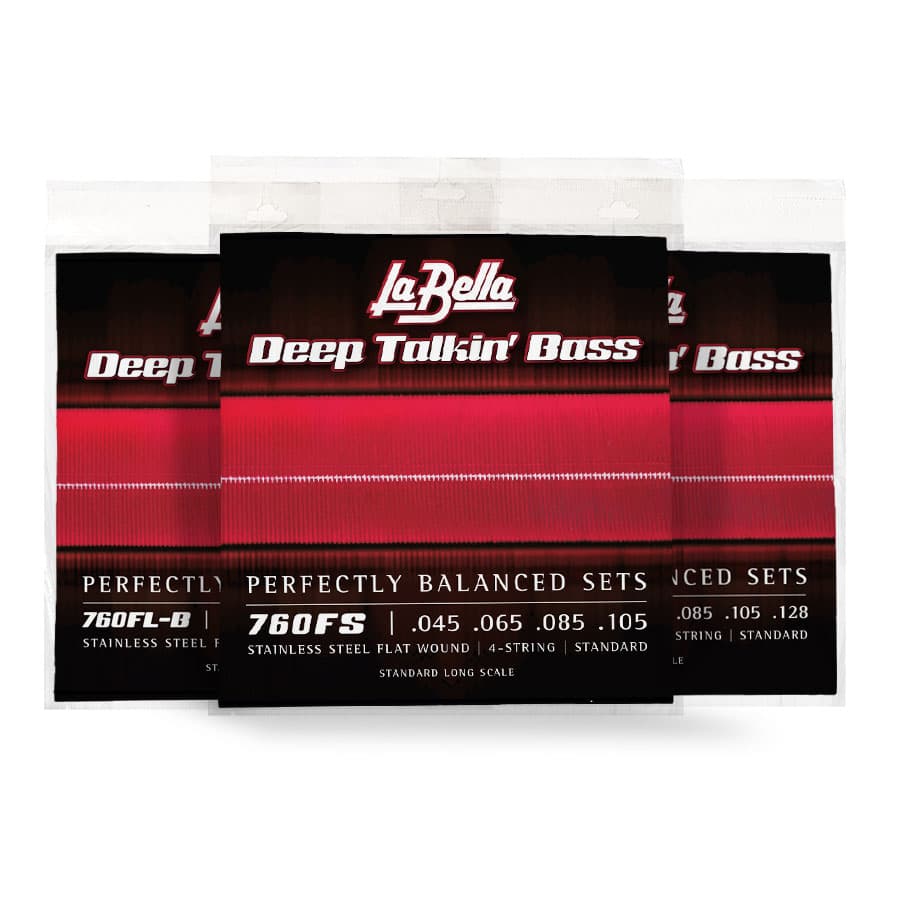
760FL Deep Talkin' Flats (.043-.104)
Why this one: The long-life end. Flatwounds in the Motown lineage that sound thumpy and consistent for years and ask almost nothing in maintenance. Our pick when you want a vintage, broken-in tone and you would rather set the strings and forget them.
When to actually change them
Change roundwounds when the brightness drops below what your music needs, not on a schedule. Change flatwounds when they finally go dull or a string fails, which may be years. Watch the low B on a 5-string for the first sign of mud. And keep a spare set for the night a string breaks mid-gig, because that is the one failure mode that does not give you any warning.