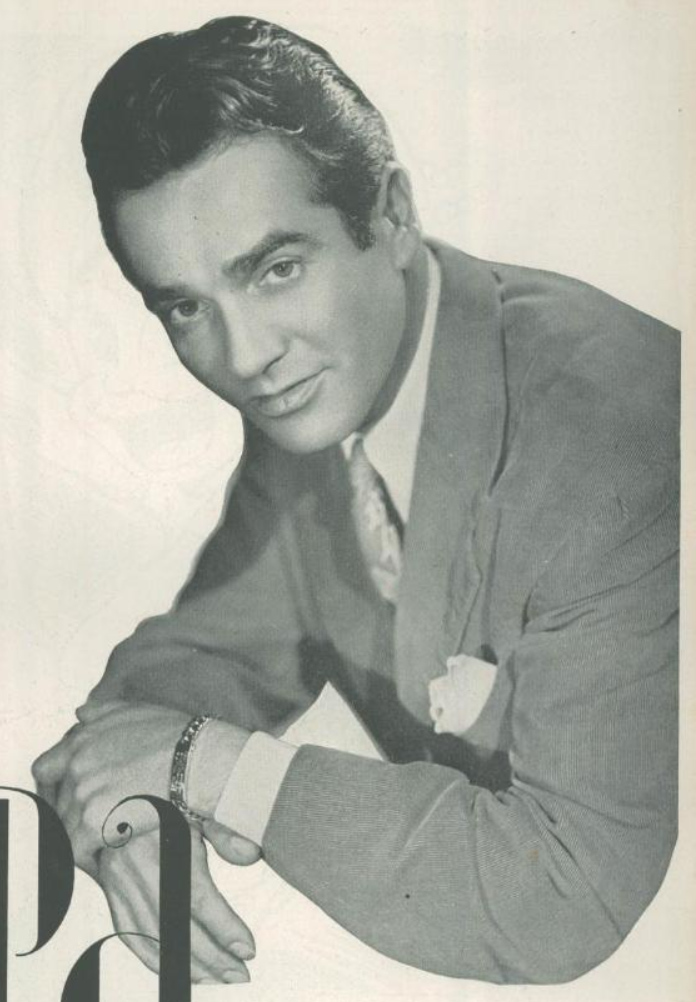
Gene Krupa: big-band swing drummer, decoded
Gene Krupa anchored Benny Goodman's orchestra during the swing era and led his own big band from 1938 onward. Slingerland Radio King kit (historical), the first 'star drummer' in popular music; 'Sing, Sing, Sing' (1937) is one of the most-recognizable drum performances ever recorded.
Benny Goodman Orchestra + Gene Krupa Orchestra · written with AI help · updated
Gene Krupa (born Eugene Bertram Krupa, January 15, 1909, Chicago, Illinois; died October 16, 1973, age 64) anchored Benny Goodman's orchestra during the swing era's commercial peak (1934-1938) and led his own big band from 1938 through 1951. The 'Sing, Sing, Sing' (1937) drum feature is one of the most-recognizable drum performances ever recorded. He played a Slingerland Radio King kit as the brand's first-ever artist endorser, and personally pushed Zildjian founder Avedis Zildjian to develop thinner cymbals, a collaboration credited with creating the crash and splash as categories. Widely cited as the first 'star drummer' in popular music; he turned the drum chair into a featured-soloist role that all subsequent star drummers (Buddy Rich, Louie Bellson, Neil Peart) inherited.
Who Gene Krupa was
Eugene Bertram "Gene" Krupa, born January 15, 1909, in Chicago, Illinois, anchored the Benny Goodman Orchestra during the swing era's commercial peak (1934-1938) and led his own big band from 1938 through 1951. The 'Sing, Sing, Sing' (1937) drum feature is one of the most-recognizable drum performances ever recorded; the song's tom-led drum break became a cultural touchstone.
He turned the drum chair into a featured-soloist role; before Krupa, big-band drummers were sidemen who kept time. The shift was as much cultural as technical: subsequent star drummers (Buddy Rich, Louie Bellson, Joe Morello, and the rock-era stars who followed) inherited the role Krupa created.
He died October 16, 1973, age 64.
Style signatures
Three things across his catalog you can identify as Krupa's:
-
Tom-led drum solos. The 'Sing, Sing, Sing' canonical example: extended tom features that became the song's defining moments.
-
Visual stage presence. Krupa's facial expressions, gum-chewing, and physical drumming style turned the drum chair into a featured-visual role on bandstand. The visual showmanship is part of why he became the first 'star drummer.'
-
Single-stroke roll vocabulary. Krupa's hand technique on Slingerland Radio King snare drum was foundational to subsequent big-band drumming; Buddy Rich (the next-generation virtuoso) cited Krupa as a primary influence.
Documented gear
- Zildjian, thinner cymbals (1930s collaboration). Krupa personally pushed founder Avedis Zildjian to build thinner cymbals; per the Percussive Arts Society's account (quoting Avedis's son Armand directly) and Zildjian's own company history, that collaboration is credited with creating the crash and splash cymbal as categories. Full review of the modern A Zildjian family's descendant of that push at /gear/zildjian-a-zildjian-thin-crash-18.
- Slingerland Radio King kit. Krupa was Slingerland's first-ever artist endorser (1930s) and, per Wikipedia, urged the company to build tom-toms with tunable top and bottom heads, now standard on virtually every kit. Brand-level documented; no dedicated CYS gear page for the vintage kit itself. Slingerland production wound down under Gibson's ownership in the 2000s; Drum Workshop bought the brand in November 2019 and relaunched Radio King in January 2025 as a hand-built, 50-per-color collector snare sold direct through Slingerland's own site; CYS hasn't found it listed on Amazon.
- Smithsonian-held bass drum. Per Wikipedia, one of Krupa's Slingerland 14x26 bass drums, inscribed with his and Benny Goodman's initials, is preserved at the Smithsonian Institution in Washington, D.C.
Related
The catalog. Benny Goodman Orchestra (1934-1938), Gene Krupa Orchestra (1938-1951), Krupa-Rich-Hampton tours (1950s).
Documented gear. Zildjian A Zildjian Thin Crash 18".
Drummer hub. Drummers index. Big-band / jazz canon parallel: Buddy Rich (the next-generation virtuoso), Max Roach, Art Blakey, Elvin Jones, Tony Williams. Rock's Krupa lineage, per Wikipedia's sourced account: critic Charles Waring traces John Bonham's, Bill Ward's, and Keith Moon's approach back to Krupa's, while Ian Paice and Carl Palmer have each said hearing Krupa is what made them start playing drums.