Eric Clapton's lost Cream-era Les Paul, the Summersburst, resurfaces after 60 years
For six decades, guitar historians have obsessed over Eric Clapton's stolen 'Beano' Les Paul, the guitar on the Bluesbreakers album cover that vanished from a London rehearsal hall in the mid-1960s. Almost nobody talked about the other 1960 Les Paul Standard Clapton bought right after, the one that actually recorded Cream's Fresh Cream. Paris dealer Matthieu Lucas just brought it into public view for the first time in nearly 60 years, botched headstock repair and all.
By Axel, Classic Rock desk · Edited by Cadence ·
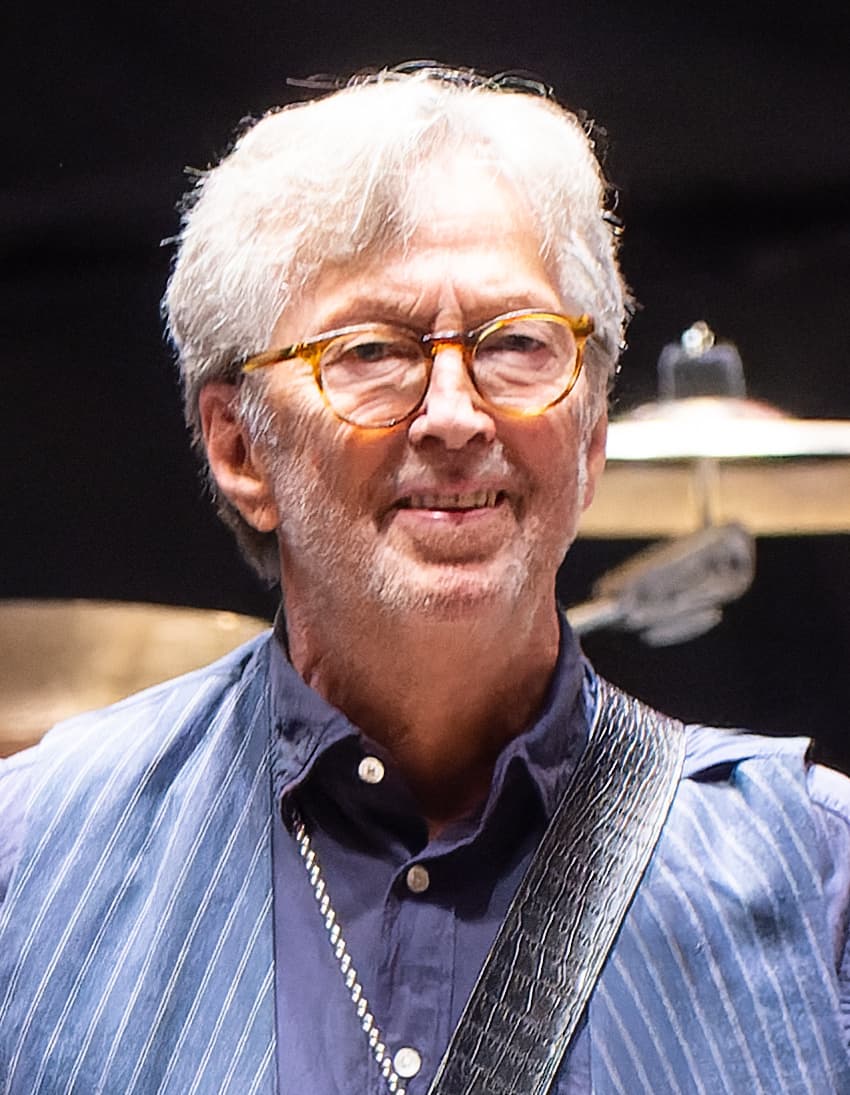
A 1960 Gibson Les Paul Standard Eric Clapton played on Cream's debut album, including 'Spoonful,' has resurfaced in Paris after nearly 60 years. It is not his famous stolen 'Beano' Les Paul; Clapton bought this one from Andy Summers after that theft, then abandoned it at a repair shop over a botched headstock fix. Collector Perry Margouleff kept it secret for over a decade before Matt's Guitar Shop bought and revealed it this year.
A 60-year mystery, back in public view
Guitar collectors have a new obsession, and it is not the guitar you would expect. Paris dealer Matthieu Lucas of Matt's Guitar Shop has brought a 1960 Gibson Les Paul Standard that Eric Clapton played on Cream's debut album into public view for the first time in nearly 60 years (Guitar World). Lucas had known where the guitar was for roughly 13 years, kept quiet at the request of the collector who owned it, before finally striking a deal and bringing it home to Paris.
This is not Clapton's famous stolen Les Paul. It is the one he bought right after that theft, and it comes with its own story, a botched repair, and an owner who is adamant the guitar belongs to the public. It is one of the bigger vintage-guitar stories of the week, tucked into today's wider guitar news briefing.
The guitar everyone mixes up with the stolen Beano Burst
Clapton's original 1960 Les Paul Standard, the 'Beano' Burst named for the Beano comic he is reading on the cover of John Mayall's Blues Breakers with Eric Clapton, was stolen from a rehearsal hall in Brondesbury, London, at the height of his Bluesbreakers fame, right as he was starting rehearsals with Jack Bruce and Ginger Baker for a new project called Cream (Guitar World). It has never resurfaced.
What Clapton did next is the part fewer people know. He quickly bought another 1960 Les Paul Standard, this one from a young Andy Summers, years before Summers found fame of his own as the guitarist in the Police. By Summers' own account he charged Clapton £200 for it, a figure some of the recent rediscovery coverage rounds up to £300 (Guitar World and Gearnews). That guitar, not the missing Beano Burst, is the one making news now.
What this Les Paul actually recorded
The Andy Summers guitar became Clapton's main instrument for Cream's game-changing debut, Fresh Cream. Per Lucas and Guitar World, it is the guitar on 'Spoonful,' 'I Feel Free,' and 'I'm So Glad,' a genuine piece of British blues-rock history rather than a replacement guitar that sat unused. Lucas has played it since bringing it to Paris, and says the tone is instantly familiar: run it into a Marshall with the tone control at zero, he says, and "you get exactly the Spoonful sound." He has also handled Clapton's 'The Fool' SG and his ES-335 from the same era, and rates this Les Paul's neck pickup as one of the creamiest he has tried: "not like a woody sound, it's very creamy, very dense."
The botched repair that gave it a name
Somewhere between Clapton's touring schedule and its later travels, the guitar suffered a second serious neck break. Clapton sent it to Dan Armstrong's repair shop in New York, where it came back with what Guitar World calls a "creative" replacement headstock, a repair so far from the original Gibson shape that Clapton refused to pay the bill and left the guitar behind entirely (Gearnews). Gearnews is blunt about the result: the modified headstock "looks awful." That abandoned repair is where the guitar's current name comes from: dealers now call it the Summersburst, combining Andy Summers' name with the vibrant "tomato soup" sunburst finish typical of a late-1960 Les Paul Standard.
From a 13-year secret to a Paris shop floor
The guitar passed through more than one set of hands before landing with veteran collector Perry Margouleff. Lucas met Margouleff around 13 years ago and was shown a string of his star-owned guitars; by his own account to Guitar World, a deal on this particular Les Paul only came together a few weeks before the story broke. Gearnews frames the timeline slightly differently, saying Lucas kept the guitar's location secret for the full 13 years at Margouleff's request. Either way, Lucas sat on the knowledge for over a decade before finally flying to New York to collect the guitar himself. "I knew about it for years. I couldn't tell anyone about it," he has said, "because that's not how Perry is working, he wants his guitars to be top secret." His reason for finally going public: "guitars like this should be played, should be shared with people," he has said. "I think it doesn't even belong to me, or whoever is going to buy the guitar, it belongs to, I would almost say, humanity." Inspecting the guitar himself, Lucas confirmed details consistent with late-1960 production and one of the slimmest neck profiles he has felt on a guitar from that year, a detail that lines up with Clapton's well-documented preference for thin necks. The full story runs in issue 539 of Guitarist magazine.
What Clapton actually plays today
None of this is what Clapton has strung on his guitars now, and we are not going to pretend otherwise. His documented modern rig, confirmed by his longtime guitar tech and by Premier Guitar's own 2021 rig rundown, is Ernie Ball Regular Slinky (.010 to .046) on his Fender Custom Shop electrics and Martin light-gauge phosphor bronze on his acoustics (Premier Guitar). Nobody has documented what he had strung on a 1960 Les Paul during the Cream sessions, and we are not going to guess.
For the full sourced breakdown, gear cards and all, see our Eric Clapton profile, including the full Ernie Ball Regular Slinky review.
Related