DR Pure Blues PHR-10 (.010–.046): the round-core pure-nickel vintage tone
Written with AI help · Updated
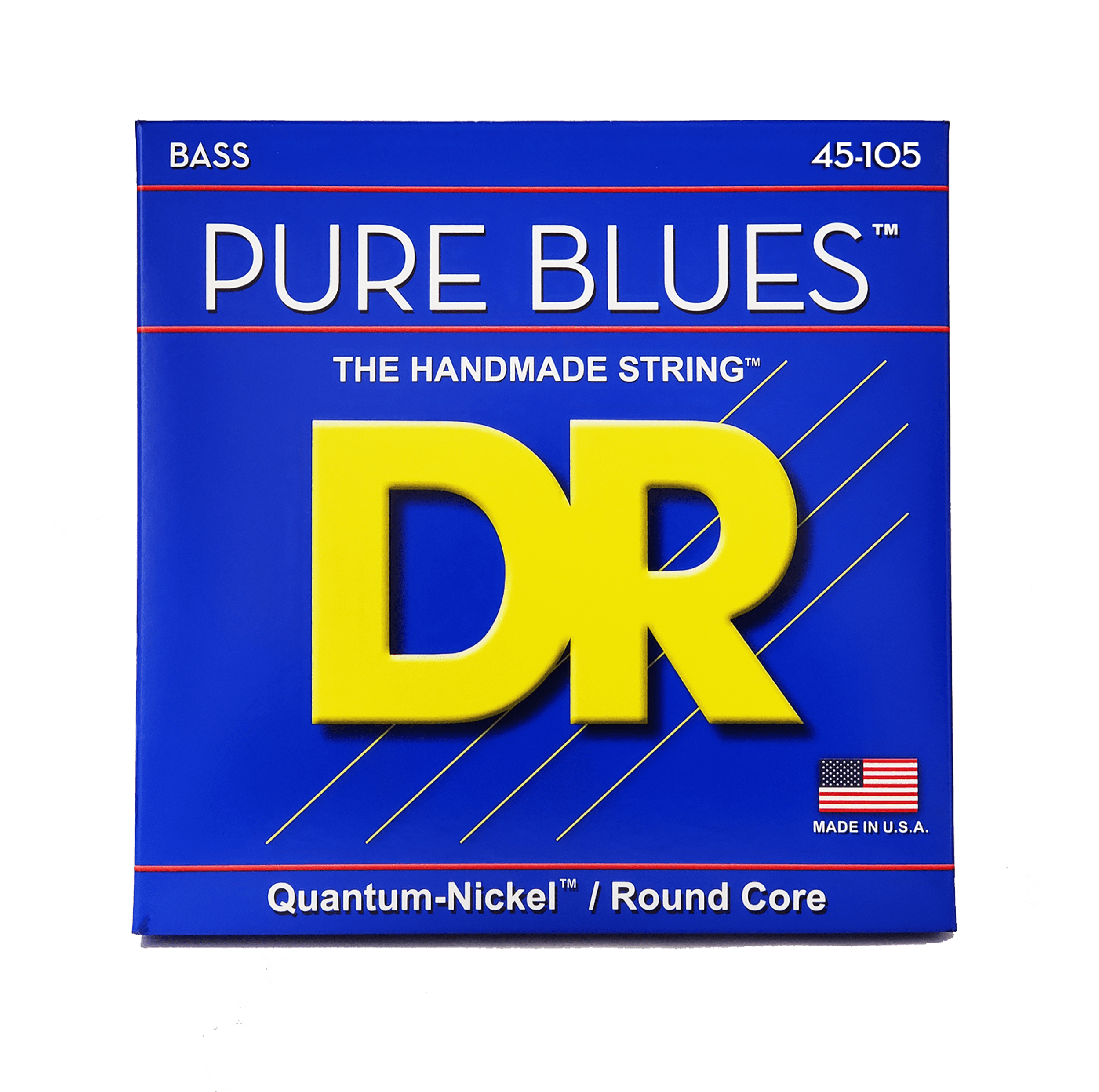
DR Pure Blues PHR-10 is a hand-wound .010 to .046 electric set built two ways most modern strings aren't: round core (instead of hex) and pure nickel wrap (instead of nickel-plated steel). The combination produces a warmer, more vintage-toned set with stronger sustain and a softer attack than the canonical Ernie Ball / D'Addario / GHS lane. It is the working set for blues players, classic-rock veterans, and anyone chasing the tone of pre-1970 records before nickel-plated steel became the industry default.
What this set is
DR Pure Blues PHR-10 is one of the few electric guitar sets in the modern market built with two pre-1970s construction features: pure-nickel wrap wire and a round (not hex) high-carbon steel core. Both choices add up to a warmer, more vintage-leaning tone with stronger sustain and softer attack than the mainstream nickel-plated steel / hex-core canon.
DR Strings has hand-wound the Pure Blues line since the company's founding in 1989, and the company is headquartered in Westwood, New Jersey today. The .010 to .046 PHR-10 is the most-shipped Pure Blues gauge, sitting in the same gauge lane as Ernie Ball Regular Slinky and D'Addario EXL110 but built fundamentally differently.
Anatomy
- Model
- DR Pure Blues PHR-10
- Gauge
- .010 – .046 (Medium)
- Gauge set
- .010, .013, .017, .026, .036, .046
- String count
- 6 strings
- Core wire
- Round high-carbon steel
- Wrap wire
- Pure nickel (not nickel-plated steel)
- Coating
- None, uncoated
- Winding
- Hand-wound roundwound
- Intended scale
- Fits 25.5" Strat / Tele and 24.75" Les Paul / SG / ES-335 alike
- Intended tunings
- E standard primary; handles Eb standard well
- Made in
- United States (DR Strings, Westwood, NJ)
- Pack sizes
- Single (B0009FUUO2), 3-pack (PHR-10-3PK, B00CE2GO3E), 6-pack (B0DZ996FKJ)
Why round-core pure-nickel matters
Two related construction choices shape the tone: round vs. hex core, and pure nickel vs. nickel-plated steel wrap.
Round core means the wrap wire is held by friction alone, with no hex corners locking it. The result is a string that bends with a softer, more compliant feel and rings with a longer note bloom. Hex core (the modern default) is brighter and tighter under attack but has shorter sustain and a harder pick attack.
Pure nickel wrap is solid nickel rather than steel-plated-with-nickel. Pure nickel has lower magnetic permeability, which means less energy transfer to the pickup. Less energy transfer translates to a warmer, smoother tone with softer top-end and more present low-mids. Nickel-plated steel (the industry default since the 1970s) sounds louder and brighter because the steel core under the nickel plating couples more strongly with the pickup magnet.
The two choices stack: a round-core pure-nickel string sounds substantially more vintage than a hex-core nickel-plated steel string, and substantially less vintage than a flatwound or chrome-coated set. DR Pure Blues sits in that warmer-than-canon, brighter-than-flatwound middle ground.
Compared to the alternatives
| DR Pure Blues PHR-10 | Ernie Ball Regular Slinky | D'Addario EXL110 | D'Addario NYXL Pure Nickel | |
|---|---|---|---|---|
| Core | Round high-carbon steel | Hex high-carbon steel | Hex high-carbon steel | Hex high-carbon NY Steel |
| Wrap material | Pure nickel | Nickel-plated steel | Nickel-plated steel | Pure nickel |
| Tone character | Warm, vintage, soft attack | Bright, balanced | Bright, balanced | Warm, brighter than DR |
| Sustain | Strong, long bloom | Standard | Standard | Strong |
| Tuning stability | Standard | Standard | Standard | ~131% over EXL110 |
| Lifespan | 2-5 weeks daily | 2-6 weeks daily | 2-6 weeks daily | 3-8 weeks daily |
| Price tier | $$ | $ | $ | $$ |
Best for
Blues players in the SRV / Albert King / B.B. King tone tradition. Classic-rock players chasing pre-1980 tones (early Zeppelin, Cream-era Clapton, vintage Tele country). Players running vintage-voiced amps (tweed Bassman, AC30, blackface Deluxe) where the additional brightness of NPS strings is overkill. Anyone whose pickups already lean bright and who wants to roll off the top end at the source instead of with the tone control.
Worst for
Modern metal and djent (the soft attack and longer sustain are the wrong tools for tight rhythm work; step to NYXL or EXL coated). Players who prefer the modern bright NPS tone (stay on Regular Slinky, EXL110, or Boomers GBL). Anyone allergic to nickel (rare but real; pick a stainless-steel set instead). Heavy benders in the upper register who find the round-core compliance feels too soft (try DR Pure Blues PHR-9 lighter or step to D'Addario NYXL Pure Nickel).
Verdict
If you've been chasing a vintage tone with mainstream NPS strings and the pickups, the amp, and the cabinet are dialed in, but it still doesn't quite sound like the records, the strings are the missing variable. DR Pure Blues PHR-10 is the working canon for that pre-1970s tone direction, and the round-core / pure-nickel combination is real enough that you'll hear the difference on the first chord. Step out of the mainstream rock-canon lane to land here when the tone destination is blues and classic rock.
Related
Related