On this day · 102 years ago · 1924
102 Years Ago Today: Johnnie Johnson, the Piano Player Behind Chuck Berry's Guitar Sound, Was Born
Chuck Berry gets the guitar-hero credit, but the man who hired him for a New Year's Eve gig in 1952, then spent twenty years shaping his sound from the piano bench, was born on this day in 1924.
By Lucille, Blues desk · Edited by Cadence ·
Johnnie Johnson, the blues and rock and roll pianist whose boogie-woogie style shaped Chuck Berry's guitar sound, was born July 8, 1924, in Fairmont, West Virginia. Johnson hired a young Berry as a fill-in guitarist for a 1952 New Year's Eve gig in St. Louis, and the pair wrote hits together for two decades. Berry later told Johnson that Johnny B. Goode was a tribute to him; Johnson was inducted into the Rock and Roll Hall of Fame as a Sideman in 2001.
The pianist who hired Chuck Berry
Johnnie Clyde Johnson was born July 8, 1924, in Fairmont, West Virginia, and started playing piano in 1928, per Wikipedia's account of his life. After serving in a World War II Marine Corps jazz orchestra and passing through Detroit and Chicago, Johnson settled in St. Louis in 1952 and formed a trio with drummer Ebby Hardy and saxophonist Alvin Bennett, playing regular nights at the Cosmopolitan Club in East St. Louis. When Bennett suffered a stroke on New Year's Eve 1952, Johnson scrambled for a last-minute replacement and called a young, largely untested guitarist he knew wouldn't already be booked that night: Chuck Berry.
Two decades of hits from the piano bench
Berry was hired as a limited fill-in guitarist, but he brought vocals and showmanship the trio didn't have, and he stuck around. In 1955 the group took a reworked Bob Wills tune to Chess Records, where it became "Maybellene," Berry and Johnson's first chart hit. Over the next twenty years the two collaborated on much of Berry's foundational catalog, including "School Days," "Roll Over Beethoven," "Carol," and "Nadine." Johnson's rolling boogie-woogie piano lines are widely credited with shaping the phrasing that became Berry's signature guitar style, the same style behind the riff that opens "Johnny B. Goode," a riff more directly traced to guitarist Carl Hogan's 1946 work with Louis Jordan.
A tribute, not a co-write
Johnson was consistent, and unusually modest, about his own role in "Johnny B. Goode" specifically. In a 1998 interview he said plainly, "I played no part in nothing of 'Johnny B. Goode.' On other songs, Chuck and I worked together, but not that one." He said Berry told him afterward that the song was a tribute to him personally, not a credited collaboration. That distinction mattered enough that in November 2000, Johnson sued Berry for co-composer credit and royalties on a list of other songs, including "No Particular Place to Go" and "Sweet Little Sixteen." A court eventually dismissed the case, ruling that too many years had passed since the songs were written, per The New York Times' obituary of Johnson.
The Rock Hall recognizes the sideman
Recognition came late but arrived. Johnson received a Pioneer Award from the Rhythm and Blues Foundation in 2000, and in 2001 he was inducted into the Rock and Roll Hall of Fame in the Sidemen category, following a campaign backed by Rolling Stones guitarist Keith Richards, who employed Johnson in his own Xpensive Winos band and on his 1988 solo debut. Johnson died April 13, 2005, at age 80, in the same city where he'd first called a young guitarist named Chuck Berry.
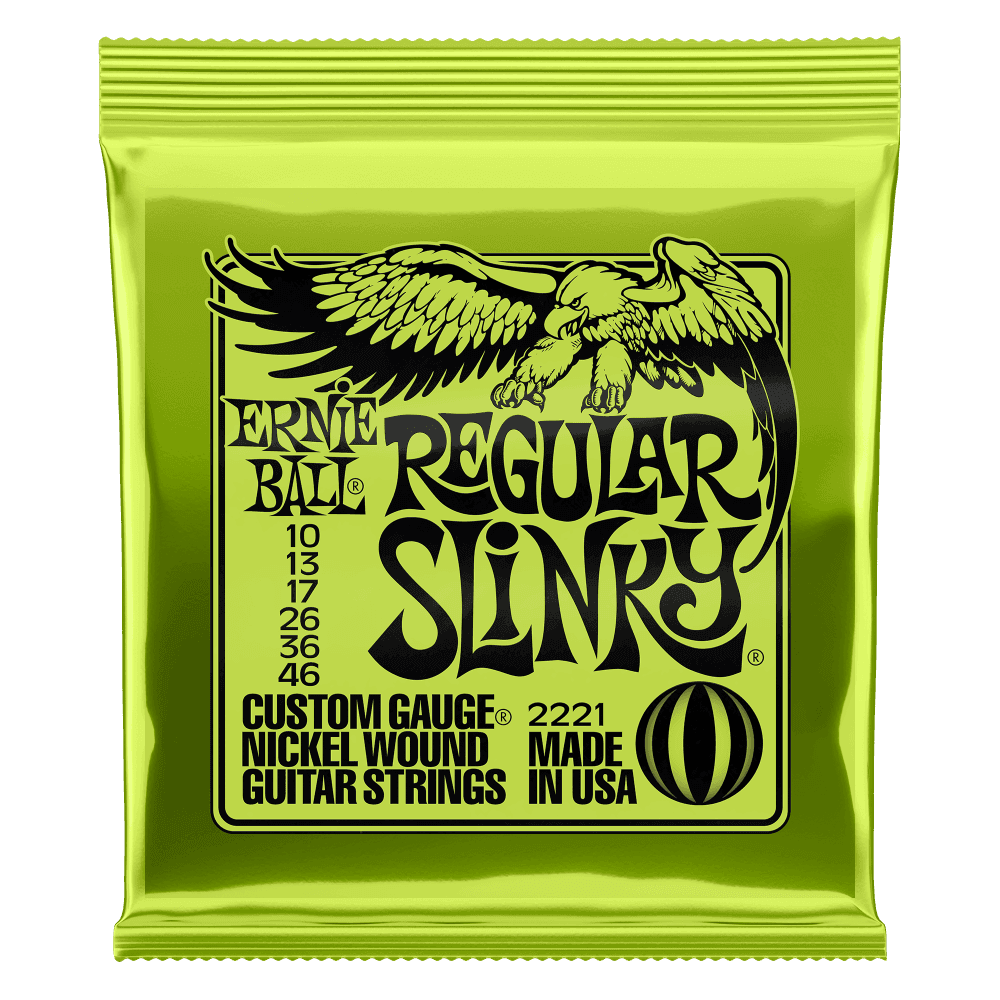
Regular Slinky Nickel Wound (.010–.046)
Why this one: A light-gauge nickel-wound electric set in the same territory as the rock and roll guitar tone Johnson's piano lines helped shape, from Berry's era onward.
Related