MXR M76 Studio Compressor review: the 1176-in-a-box pedal, decoded
An editorial review of the MXR M76 Studio Compressor (Dunlop). 1176-style FET compression circuit with five controls (Attack, Release, Ratio, Input, Output) and an LED gain-reduction meter. Settings recipes, famous users, and where it sits versus Boss CS-2, Keeley Compressor Plus, and Origin Effects Cali76.
Written with AI help · Updated
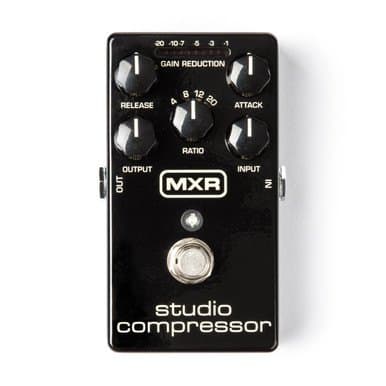
The MXR M76 Studio Compressor (ASIN B078G7LZF2) is a 1176-style FET compressor pedal with five controls (Attack, Release, Ratio, Input, Output) and an LED gain-reduction meter. The circuit is identical to the MXR M87 Bass Compressor; Dunlop rebranded it as 'Studio' so guitarists wouldn't skip it. It sits in the always-on transparent-glue lane for clean and edge-of-breakup tones, the country/funk attack-snap lane when ratio is dialed up, and the sustain-for-solos lane when input is pushed. Quiet, pedalboard-friendly (Phase 90-sized), $$ price tier.
Affiliate links: we earn commission on qualifying Amazon purchases. See our full disclosure.
What it is, in one paragraph
The MXR M76 Studio Compressor is a 1176-style FET compression pedal with five controls (Attack, Release, Ratio, Input, Output) and an LED gain-reduction meter. The circuit is identical to the MXR M87 Bass Compressor (same PCB, same components, same sound). Dunlop rebranded it as the "Studio" compressor for guitarists who were skipping the M87 because the box said "Bass." It sits in the same lane on a guitar pedalboard as a 1176 sits on an outboard rack: transparent control over dynamic range, snap on the attack when you want it, sustain when you push it.
The 1176 lineage
The Urei 1176 (later UA 1176) is one of the two or three most-used compressors in recorded music. Its FET-based limiter circuit defines the sound of countless rock vocal tracks, snare drums, and electric guitar overdubs from the late 1960s onward. The M76 takes that voicing (fast attack, characterful midrange behavior, the option to slam it for the "all-in" trick) and packages it in a Phase 90-sized stompbox.
The M76 isn't a literal 1176 emulation (it's not a digital model). It's an analog circuit voiced in the same lane, with the controls a guitarist actually needs in front of an amp: Input as a threshold control, Output as makeup gain, the four classic ratios on a stepped switch.
Settings recipes
Recipes that work
- Always-on transparent glue
- Ratio 4:1, Attack medium, Release medium-fast, Input set so the LED meter shows 1-3 dB of gain reduction on hard strums and zero reduction on light passes, Output to unity-match. The pedal sits on, you don't notice it, but the dynamics tighten just enough to lock the rhythm part to the kick.
- Country / funk snap attack
- Ratio 8:1 or 12:1, Attack as slow as the dial allows (lets the pick attack through unprocessed before the compressor clamps), Release fast, Input pushed for 5-8 dB of gain reduction on every note, Output up to compensate. The classic Brent Mason / Vince Gill chicken-pickin' bite, where the attack pops and the body is squashed flat.
- Solo sustain
- Ratio 12:1 or 20:1, Attack medium-fast, Release slow, Input cranked for 8-12 dB of gain reduction, Output significantly up to compensate. Place after your drive pedals. The note rings forever; pick attack character is partially subsumed but the gain you've added makes long notes feel infinite.
- All-in 1176 mode
- Engage the all-buttons-in mode at the top of the Ratio dial. The compressor goes into its most aggressive, character-rich setting. Think classic 1176 'British mode.' Use sparingly; it's the cherry on top, not the everyday setting.
Where it sits in the comp-pedal landscape
| MXR M76 Studio | Boss CS-2 | Keeley Compressor Plus | |
|---|---|---|---|
| Circuit type | FET (1176-style) | OTA-based | Multi-circuit (THAT VCA) |
| Controls | Attack, Release, Ratio, Input, Output | Sustain, Attack, Level | Sustain, Attack, Level, Tone, Blend |
| Character | Transparent to characterful (1176-flavored) | Sweet, colored, classic comp pedal sound | Adjustable transparent or colored |
| Best for | Country snap, indie glue, solo sustain, session work | Indie / shoegaze, vintage compressed feel | Transparent always-on, blend-style parallel comp |
| Price tier | $$ | $$ (used) / discontinued new | $$ |
The M76 isn't the right answer for every player. If you want classic Boss-pedal character coloration, the CS-2 (or its variants) gives you that. If you want a parallel-comp blend control without external routing, the Keeley Compressor Plus has a Blend knob the M76 doesn't. The M76 wins on the 1176 voicing and the granular control set; it loses on character if you specifically want a colored, vintage-feeling comp.
Build, power, and pedalboard considerations
The M76 ships in MXR's standard Phase 90-sized aluminum enclosure. Footprint is small enough to fit on any pedalboard layout. Power: 9V DC center-negative, ~14 mA current draw. The pedal will run on a Dunlop ECB003 adapter, any standard pedalboard power supply (Voodoo Lab Pedal Power, Strymon Zuma, MXR Iso-Brick), or a 9V battery for portable/practice use.
One persistent complaint across reviews and Sweetwater customer feedback: the LED gain-reduction meter is very bright. On a dark stage, the LEDs are eye-searing. Many users put a strip of semi-transparent tape over the meter to dim it without losing the visual cue. Not a deal-breaker, but worth knowing before you put it on a board with five other LEDs already lit.
Verdict and the affiliate hook
If you want a transparent, controllable, 1176-voiced compressor in pedal form for a guitar (or bass, same circuit) signal chain, the MXR M76 Studio Compressor is the answer. It's not the cheapest comp pedal, it's not the most colored, it doesn't have a blend control, but it does the 1176 lane better than anything else at its price point. For country snap, always-on glue, indie transparency, or solo sustain, all on one pedal: this is the pick.
M76 Studio Compressor
Why this one: The 1176-in-a-box lane on a pedalboard. Five-knob control set, FET circuit, Phase 90-sized enclosure, quiet operation. Documented on Equipboard rigs from Sam Fender and others.
Related
Other compressor reviews coming: Boss CS-2, Keeley Compressor Plus, Origin Effects Cali76, Wampler Ego Compressor. As they ship, they'll cross-link here.
Building a pocket rig instead of a full pedalboard? Our Valeton GP-5 review covers the pocket-sized NAM amp modeler and multi-effects alternative, complete with its own comparison against the IK Multimedia TONEX ONE.
Working rigs that lean on studio-style compression: country, funk, and indie pedalboards across our profile coverage. Cross-links land as those rig walks ship.
Gear hub: Gear index.