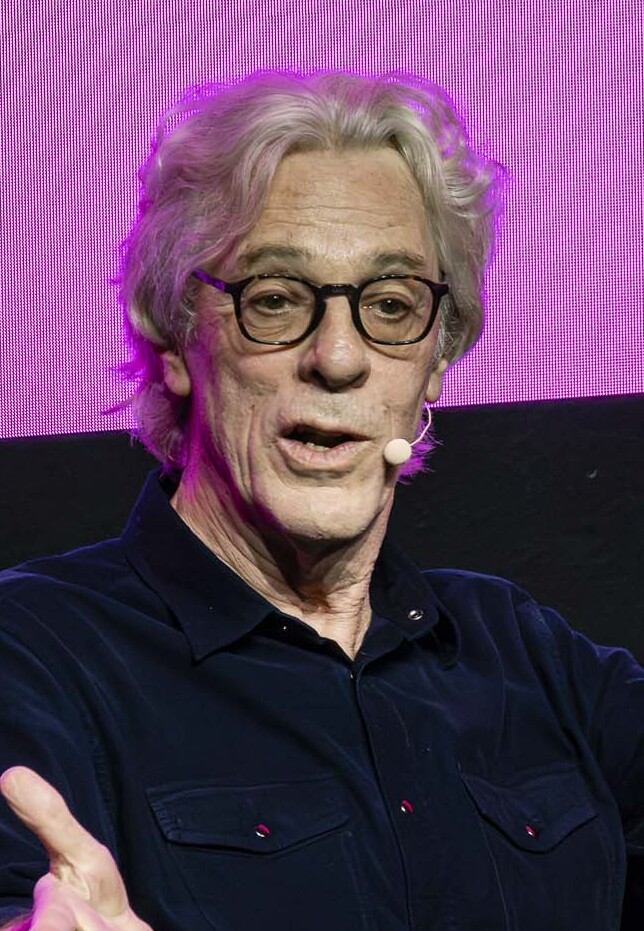
Stewart Copeland: The Police's drummer, decoded
Stewart Copeland anchored The Police from 1977 through 1986, then moved into a substantial film + TV scoring career. Tama signature kit, Paiste cymbal partnership, Vater Stewart Copeland Standard signature stick. The reggae-into-rock pocket that made The Police's catalog.
The Police · written with AI help · updated
Stewart Copeland (born July 16, 1952, Alexandria, Virginia) anchored The Police from 1977 through the band's 1986 dissolution and 2007 reunion. Tama signature kit, Paiste cymbal artist + signature line, Vater Stewart Copeland Standard signature drumstick (model VHSCSTD). The reggae-influenced rock pocket on Synchronicity (1983) and the catalog before it is the defining signature; his hi-hat work and ride-cymbal vocabulary are widely studied. Pivoted to film + TV scoring in the late 1980s (Rumble Fish, Wall Street, plus an extensive TV catalog). Modern Drummer Hall of Fame (2002), Rock and Roll Hall of Fame with The Police (2003).
Who Stewart Copeland is
Stewart Armstrong Copeland, born July 16, 1952, in Alexandria, Virginia (raised in Cairo and Beirut where his father was a CIA officer), anchored The Police from the band's 1977 formation through their 1986 dissolution. Across five studio records (Outlandos d'Amour, Reggatta de Blanc, Zenyatta Mondatta, Ghost in the Machine, Synchronicity) and the band's 2007-2008 reunion tour, his pocket drove what made The Police different from punk-era rock contemporaries.
Before The Police he played in Curved Air (1975-1976), a UK prog-rock band that gave him professional touring experience and connected him with future Police bandmate Sting (whom he met in Newcastle in 1976). After The Police he built a substantial film + TV scoring career: Rumble Fish (1983), Wall Street (1987 cues), Talk Radio (1988), plus extensive TV work (The Equalizer, Babylon 5, Dead Like Me). He has continued performing with side projects: Animal Logic (1987-1991) and Oysterhead with Trey Anastasio + Les Claypool (2000-2001).
Modern Drummer Hall of Fame (2002). Rock and Roll Hall of Fame inductee with The Police (2003).
The current rig (sourced)
What's documented
- Drum kit
- Tama signature kit. Long-documented signature artist; the 1980s Police-era kit was Tama Imperialstar / Granstar with 22-inch kick, 14-inch snare, standard rock-tom layout.
- Cymbals
- Paiste. Documented signature artist with a dedicated Paiste signature cymbal line. Police-era cymbal voice is heavily Paiste 2002 + Signature line.
- Heads
- Remo. Coated Ambassador snare batter + Pinstripe Coated tom batter on the Police catalog (cross-verified against Modern Drummer's gear archive).
- Sticks
- Vater Stewart Copeland Standard (model VHSCSTD). Hickory, .555 inch diameter, oval wood tip, signature spec for active hi-hat work and ride-cymbal articulation.
Style signatures
Three things across The Police's catalog you can identify as Copeland's:
-
The hi-hat as a third melodic voice. His left-foot hi-hat work treats the closed/open hat as expressive rather than metronomic. Songs like 'Walking on the Moon' and 'Roxanne' have hi-hat parts that function as melodic counterpoint to the bass + guitar.
-
The reggae-influenced backbeat displacement. Many Police songs ('So Lonely', 'Roxanne') use displaced backbeats that pull from reggae's one-drop pattern rather than rock's standard 2-and-4. The pull is what gives the band its distinctive feel; standard rock backbeats can't replicate the groove.
-
Composed fills around odd time + 16th-note triplets. Synchronicity (1983) and Ghost in the Machine (1981) both have arrangement-pivot fills written into the song structure rather than improvised. The technical vocabulary is jazz-influenced; Copeland cites jazz drummers as primary influences alongside reggae.
Related
The catalog. The Police, Outlandos d'Amour (1978) through Synchronicity (1983).
Drumheads in the Copeland-era lane. Remo Coated Ambassador (Copeland's snare batter), Remo Pinstripe Coated (Copeland's tom batter, the canonical 80s-rock dry tom voice).
Drummer hub. Drummers index.